How Book Dash Is Putting Books Into the Hands of Children Who Need Them Most
Book Dash is tackling educational inequality through storybooks, literacy, and the belief that every child deserves books of their own.
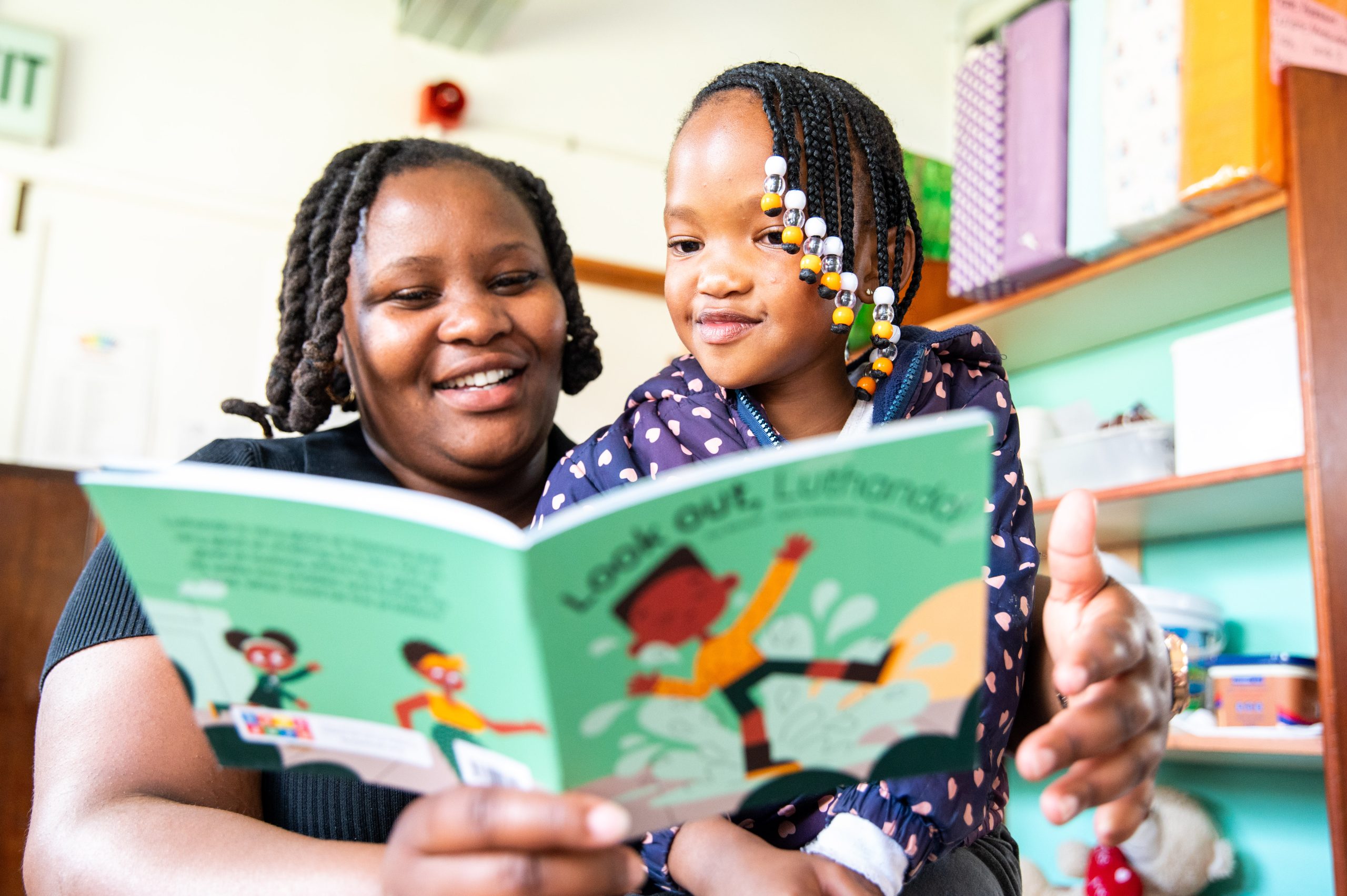
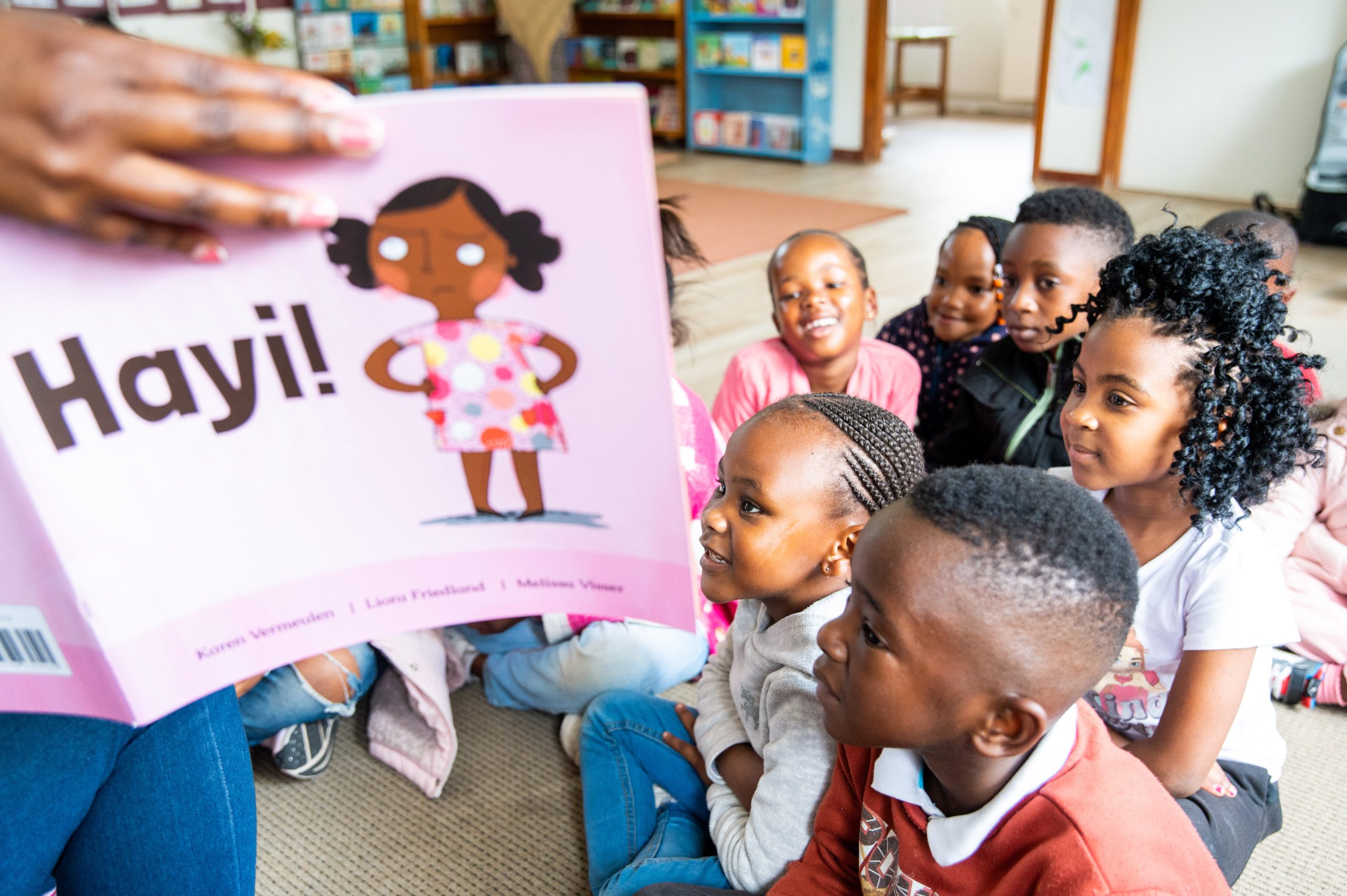
South Africa (25 May 2026) – There is something powerful about a child holding a book that belongs entirely to them. Not borrowed. Not shared between thirty classmates. Not read once and packed away. Their own book. One they can carry home, page through repeatedly, sleep beside, and eventually know by heart.
For many families across South Africa, that experience remains far less common than it should be. In communities where households are stretched thin, and essentials come before everything else, books are often treated as luxuries rather than the building blocks they truly are.
That is the gap Book Dash set out to change. We got to speak to Thembalethu Shangase, Book Dash’s Executive Director, the problem was impossible to ignore.
“Book Dash was launched to create high-quality African picture books, translate them into various South African languages, and provide free digital access globally,” Shangase explains. “But we also realised digital access alone didn’t solve the challenge for children living in homes where there were no books at all.”
That realisation became the heart of the organisation’s mission.
Book Dash believes physical book ownership matters deeply, especially in the earliest years of a child’s life. Their vision is ambitious but beautifully simple: every child should own a hundred books by the age of five.
It is the kind of idea that sounds almost dreamy until the statistics arrive and remind you why it matters so urgently. Research continues to show that children who grow up with books at home perform significantly better developmentally and educationally than those who do not. In some cases, outcomes improve up to tenfold. Reading together also strengthens emotional bonds between children and caregivers, creating nurturing spaces where learning and connection can flourish side by side.
Since 2014, Book Dash has distributed more than six million books to children across South Africa through an extensive network of over 300 distribution partners working in early childhood development, literacy, health, and community support.
And while the numbers are remarkable, the organisation’s heartbeat still lives in the quieter moments.
“Our favourite moments are when we receive feedback from partners sharing how the books are transforming children’s lives,” says Shangase. “You see photos and videos of children falling in love with their books. For many of them, this is their very first book.”
Sometimes those moments arrive from unexpected places. One particularly moving response came from the Harry Gwala Hospital in KwaZulu-Natal, where Book Dash books are being used to comfort children awaiting surgery. Families read together while children wait for procedures, helping ease fear and anxiety during incredibly vulnerable moments.
“Your books have become a meaningful part of our campaigns to reduce anxiety and support pain management in children,” the hospital shared. “By placing beautiful, engaging stories directly into children’s hands, you help us ease fear, strengthen family connection, and bring light into difficult moments.”
It is difficult to read words like that and still think of storybooks as “just books.”
What Book Dash has built is far more systemic than many people initially realise. Their books are woven into literacy programmes, healthcare interventions, parenting support initiatives, and early learning spaces across the country. They have partnered with public sector initiatives, collaborated with organisations supporting young families, and created open-access content that has travelled far beyond South Africa’s borders.
Some of their books have been adapted into South African Sign Language through work with the Stellenbosch Handlab. Others have been translated into Kiswahili and distributed to thousands of families in Tanzania through local parenting programmes.
At every level, the organisation continues to challenge one of the country’s deepest inequalities: unequal access to learning resources during the earliest and most formative years of childhood.
“What I’d love people to see,” Shangase says, “is that our work is systemic. We empower the education and health ecosystems by providing the high-quality, socio-culturally relevant tools they need to nurture the next generation.”
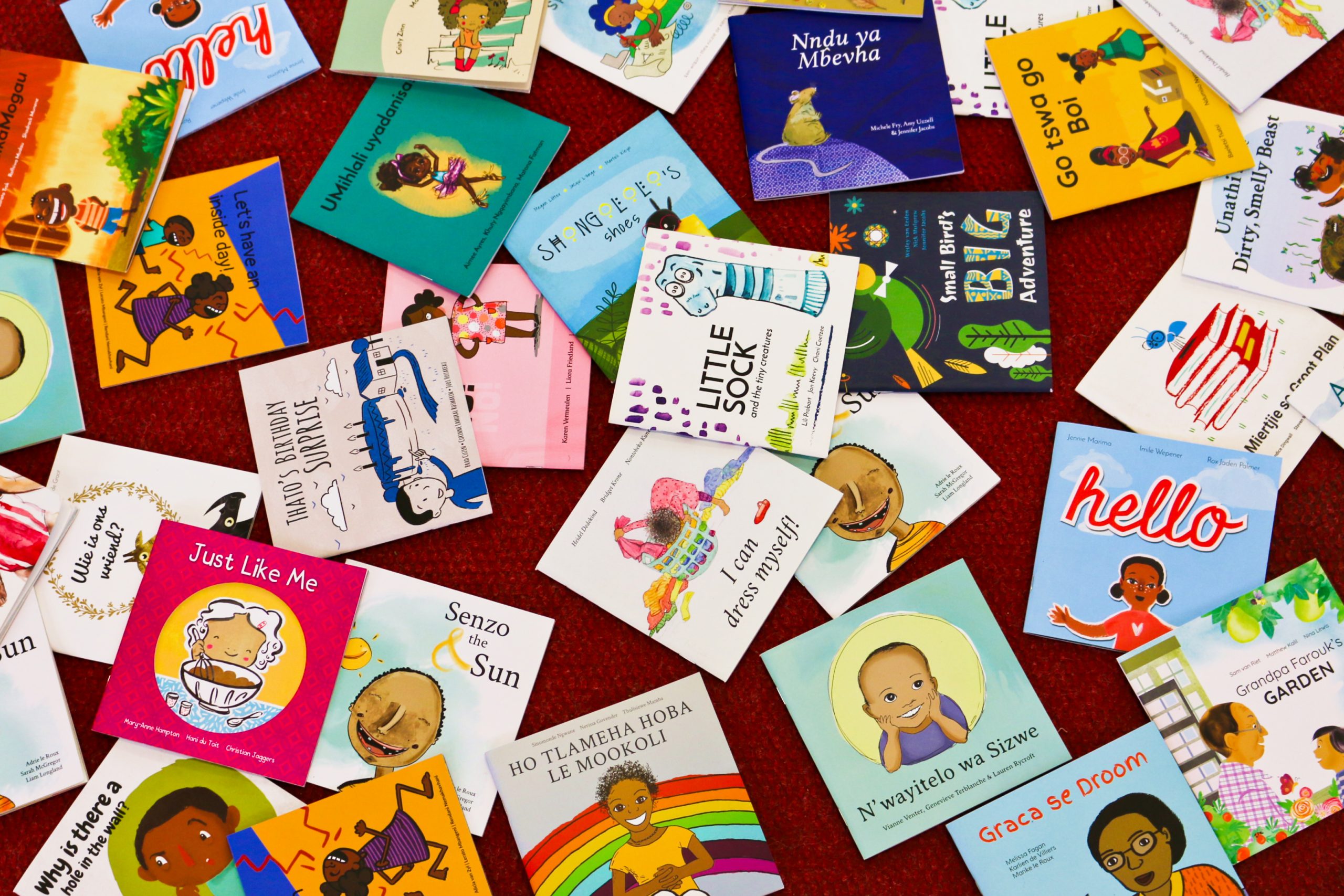
The books themselves reflect that intention carefully. Stories are rooted in familiar realities, languages, and lived experiences. The illustrations are designed to stimulate curiosity while also reflecting the worlds children know and the worlds they may one day imagine for themselves.
There is also something deeply collaborative about the way Book Dash works. More than 400 volunteers have contributed to the creation process over the years, from writers and illustrators to designers and editors. For many of them, the books become deeply personal contributions to the future of the country.
“Our motivation stems from the knowledge that we are shifting the odds for an entire cohort of children,” Shangase reflects. “Because society cared enough to invest in them early enough, there is a cohort of kids that will grow up with better odds.”
It is hard not to feel hopeful listening to that vision unfold.
Especially when Shangase speaks about what could still be possible. Imagine, she says, if every child born in a South African public facility received books from birth. Imagine what that would mean for literacy, confidence, learning, and connection over time. Imagine what kind of reading culture could grow from something so simple and so profoundly important.
Of course, dreams at this scale require support. Book Dash relies on funding partners, businesses, foundations, family trusts, and individual donors to continue printing and distributing books. Demand grows constantly, with new organisations regularly reaching out for books to include in their programmes.
Still, the invitation to help feels wonderfully accessible. Share the mission. Donate toward printing costs. Introduce a child to the digital library. Buy books for a local ECD centre or playgroup. Help place stories into the hands that might otherwise never hold them.
You can find out more via the website, Facebook, Instagram, LinkedIn, and X, or the Helpers listing here.
The Helpers is a growing space built on connection, care and the belief that help should never be hard to find. It exists to link people who need support with organisations doing the work, and to guide those who want to help towards causes that matter most to them.
This platform is proudly powered by Good Things Guy, a community that has spent the last decade sharing stories of hope, resilience, and the everyday heroes quietly making South Africa a better place.
The Helpers is sponsored by Druff Interactive, whose support and belief helped turn a much-needed idea into a platform designed to genuinely make a difference.
If you have questions, suggestions, organisations to recommend or simply want to get in touch, you’re always welcome to reach the team at admin@thehelpers.co.za.
To learn more about why The Helpers exists and how it came to life, listen to the special launch episode of the Good Things Guy Podcast, here, where the story behind the platform is shared in full.