Opening the Doors to Justice for Those Who Need It Most
Access to justice is a right, not a privilege. Learn how ProBono.Org is helping thousands navigate the legal system with dignity and support.
South Africa (20 April 2026) – There are rights we speak about often, almost automatically, and then there are rights that only reveal their true weight when they are out of reach. Access to justice is one of them. It sits firmly in South Africa’s Constitution, quietly powerful in its promise, yet for many, it remains something distant, complex, and often unaffordable.
For nearly two decades, ProBono.Org has been working to close that gap, turning a constitutional ideal into something tangible, one case at a time. Founded in 2006, the organisation set out to address a stark reality: while legal aid exists for criminal matters, countless South Africans facing civil legal challenges are left without support.
“Twenty years ago we saw a huge gap in the ability of the indigent and vulnerable to get legal assistance if they couldn’t afford to pay for a lawyer,” explains Margaret Fish. “Section 34 of our Constitution guarantees everyone the right to have their matter heard in a court of law or other institution.”
What followed was a model that remains unique in the country. Acting as a clearing house, ProBono.Org connects individuals in need with a growing panel of more than 700 attorneys willing to offer their services free of charge. With a small team spread across Johannesburg, Durban and Cape Town, they are able to assist up to 10,000 people each year, while also running legal clinics, court help desks, and community workshops that bring legal knowledge closer to the people who need it most.
The work itself is not abstract. It lives in deeply human moments, often unfolding quietly behind office doors and courtroom benches.
“A good day is one where an elderly lady leaves us relieved that she has had a will drawn up that will make sure her wishes are clear,” says Fish. “Or where an abused child is afforded care and protection, or a mediated parenting plan is agreed that provides for a child’s security and daily needs. A deceased estates dispute can be resolved that protects the “family house” from being sold, or an unfair dismissal or unfair eviction is overturned. People often travel long distances to ask for our help and sometimes they just need to feel heard, even if in some cases we are not able to solve their matter, they can be given advice as to what to do next.”
These are not headline-grabbing victories. They are smaller, deeply personal turning points that ripple outward, affecting families, homes, and futures. A resolved estate dispute can protect a family home. An overturned eviction can keep a roof overhead. Advice, even when it cannot solve a case outright, can restore a sense of direction and dignity.
There is often a misconception that impact must be large-scale to matter. That only sweeping legal victories or landmark cases hold weight. ProBono.Org’s work gently challenges that idea.
“Helping just one person can affect the lives of an entire family,” Fish reflects.
It is a reminder that justice, at its core, is profoundly personal. It is about being heard, understood, and treated fairly in moments when life feels most uncertain.
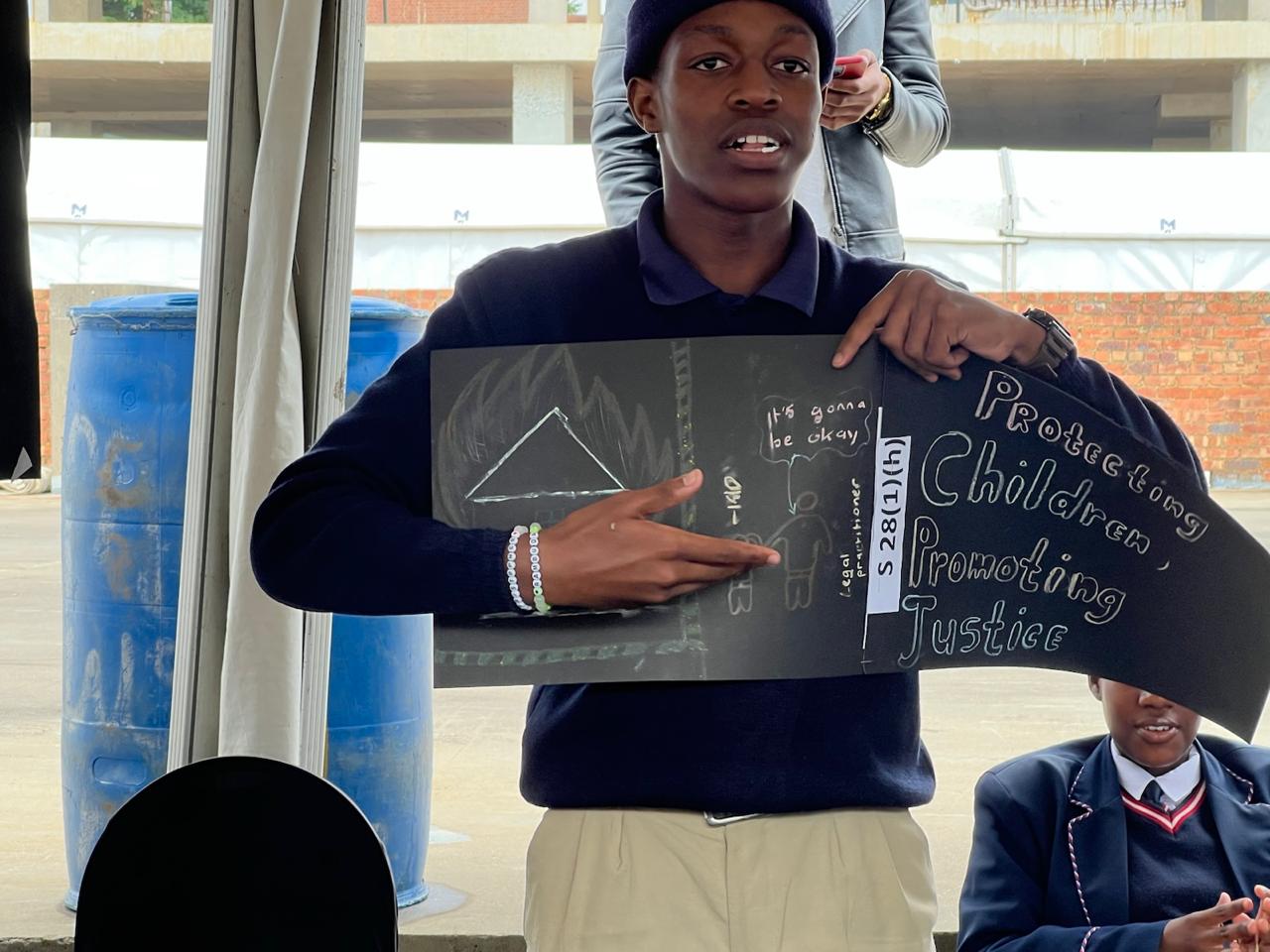
Of course, the work is not without its challenges. The stories that come through their doors can be heavy, shaped by hardship, inequality, and injustice in their many forms.
“Some days we hear heartbreaking stories of abuse, bullying, xenophobia, cruelty or hardship,” Fish shares. “What keeps us going is knowing we can count on many people and organisations for support and that helping those less fortunate than ourselves is a reward in itself.”
That sense of shared responsibility sits at the heart of ProBono.Org’s work. It is not only a legal service; it is a network of people choosing, again and again, to stand in the gap for others.
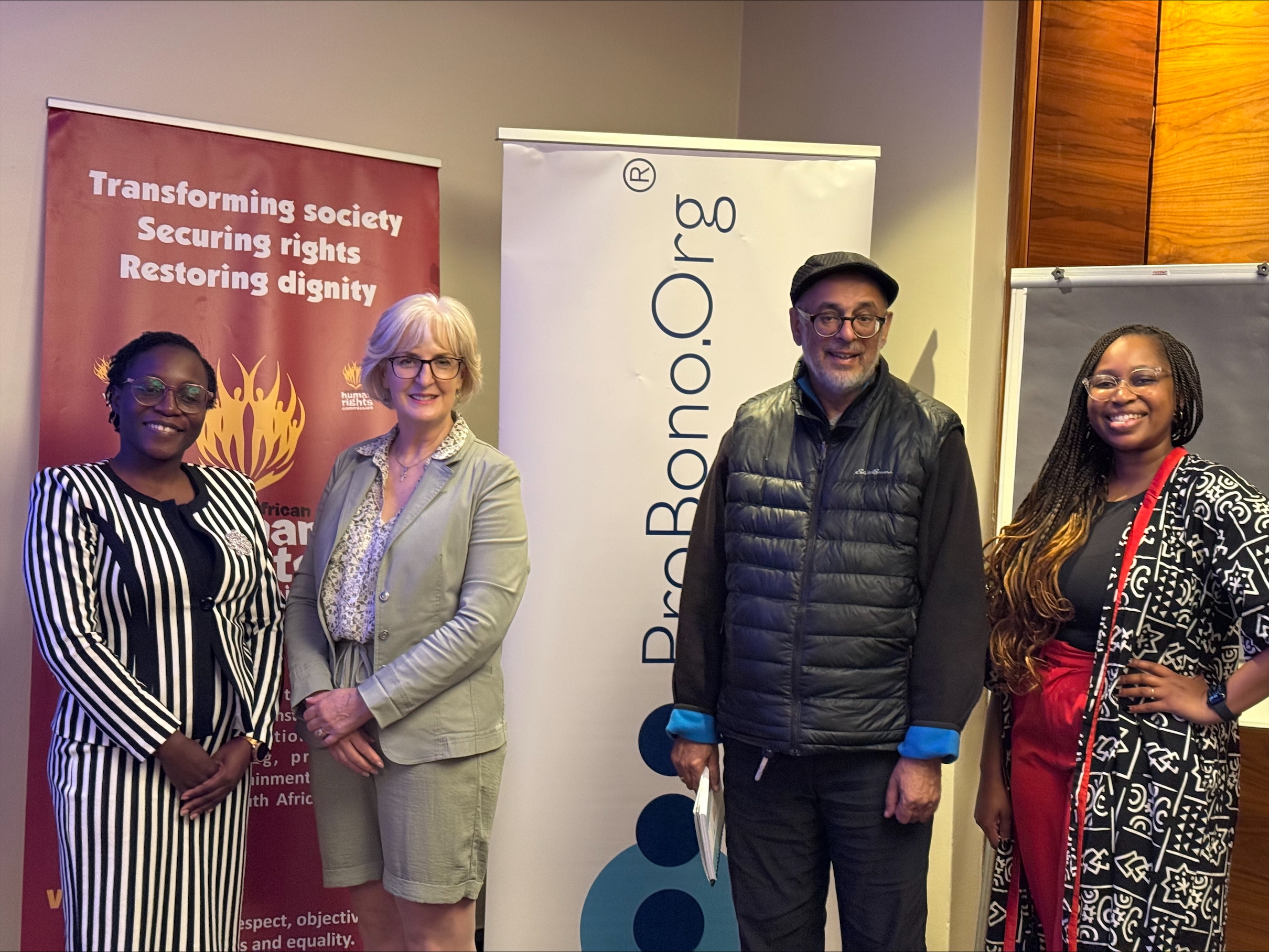
As the organisation approaches its 20th anniversary in 2026, its impact is both measurable and deeply human. Millions of rand in legal services have been provided, thousands of lives have been touched, and countless moments of uncertainty have been met with guidance and care.
Yet, like many organisations doing essential work, ProBono.Org relies entirely on donor support to continue. The model works because people choose to invest in it, to believe that access to justice should not depend on income.
For those looking to make a difference, the invitation is simple. Support can take many forms, but at its core, it helps ensure that when someone reaches out for help, there is a path forward waiting for them.
You can find out more via the website, Facebook, Instagram, LinkedIn, and X, or the Helpers listing here.
The Helpers is a growing space built on connection, care and the belief that help should never be hard to find. It exists to link people who need support with organisations doing the work, and to guide those who want to help towards causes that matter most to them.
This platform is proudly powered by Good Things Guy, a community that has spent the last decade sharing stories of hope, resilience, and the everyday heroes quietly making South Africa a better place.
The Helpers is sponsored by Druff Interactive, whose support and belief helped turn a much-needed idea into a platform designed to genuinely make a difference.
If you have questions, suggestions, organisations to recommend or simply want to get in touch, you’re always welcome to reach the team at admin@thehelpers.co.za.
To learn more about why The Helpers exists and how it came to life, listen to the special launch episode of the Good Things Guy Podcast, here, where the story behind the platform is shared in full.